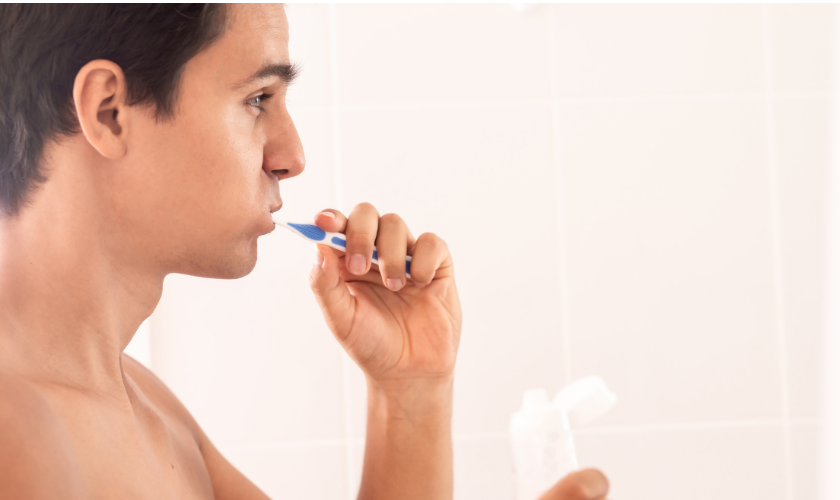
It’s something you use daily without giving it much thought: your toothbrush. But did you know that the simple act of brushing your teeth isn’t just about scrubbing away food particles? Your toothbrush is your first line of defense against tooth decay, gum disease, and even bad breath. In fact, proper toothbrush care and maintenance are just as important as choosing the right toothpaste. Let’s dive into why your toothbrush matters more than you might think and how you can keep it in top condition.
The Role of Your Toothbrush in Oral Health
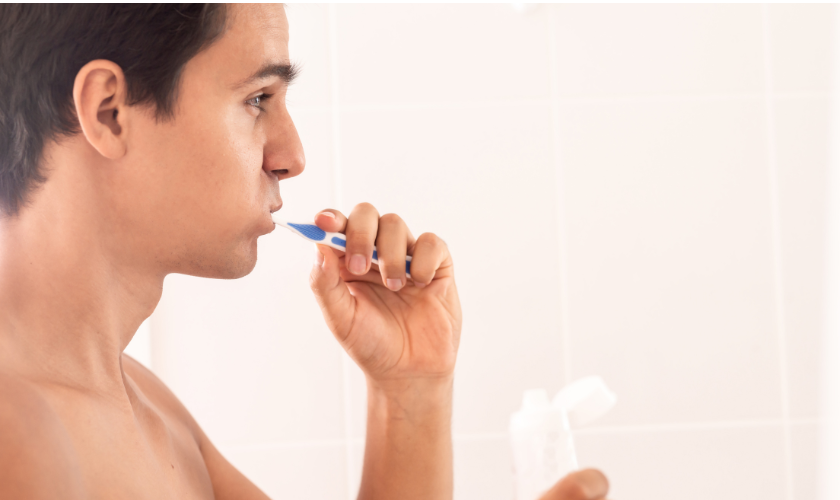
Your toothbrush helps remove plaque and food particles from your teeth. Plaque is a sticky layer of bacteria that forms on your teeth and gums. If not removed regularly, it can lead to cavities and gum disease. This is why using the right toothbrush is essential.
When choosing a toothbrush, there are a few factors to keep in mind:
- Bristle Type: Soft bristles are the most effective for cleaning your teeth without damaging your gums. Hard bristles can cause gum recession, which may lead to sensitivity or more serious issues.
- Size and Shape: Your toothbrush should comfortably fit in your mouth, allowing you to reach all areas, including the back teeth.
But the effectiveness of your toothbrush doesn’t end with choosing the right one. Proper brushing technique and regular toothbrush care play a significant role in maintaining your smile.
How Often Should You Replace Your Toothbrush?
It’s easy to forget, but your toothbrush isn’t built to last forever. The bristles will wear down over time, reducing their effectiveness. A good rule of thumb is to replace your toothbrush every three to four months. If you’ve been sick or notice frayed bristles, it’s time for a new one sooner. The American Dental Association (ADA) recommends this to ensure that you’re using the best tool for your oral health.
Maintaining Your Toothbrush: Simple Care Tips
Taking care of your toothbrush can help it last longer and remain effective. Here are a few tips from our dentist in Bellevue to ensure your toothbrush stays in good shape:
- Rinse Thoroughly: After brushing, rinse your toothbrush thoroughly to remove toothpaste and debris.
- Store Properly: Store your toothbrush upright in a holder and let it air dry. Avoid storing it in a closed container, as this can promote bacterial growth.
- Avoid Sharing: Toothbrushes are personal items. Sharing your toothbrush can spread bacteria and germs, so always keep it to yourself.
- Clean Your Toothbrush Holder: Toothbrush holders can harbor bacteria. Clean your toothbrush holder regularly to prevent germs from transferring to your toothbrush.
Why It’s Important to Choose the Right Toothbrush for You
Your toothbrush is a critical part of your dental hygiene routine. But it’s not one-size-fits-all. Whether you choose an electric or manual toothbrush, it’s crucial to pick one that suits your needs. Electric toothbrushes can be great for people who struggle with manual brushing or need a more thorough cleaning. However, a manual toothbrush, if used correctly, can be just as effective.
When choosing a toothbrush, look for one that feels comfortable and is easy to use. Ask our Bellevue dentist for recommendations on which type may be best for your oral health needs.
FAQs
1. How often should I replace my toothbrush?
It’s recommended to replace your toothbrush every three to four months or when the bristles become frayed. If you’ve had an illness, it’s best to replace it sooner.
2. Can I clean my toothbrush with mouthwash?
While you can rinse your toothbrush with mouthwash to kill bacteria, it’s not necessary. The most important thing is to rinse your toothbrush thoroughly with water after each use.
3. Should I brush my teeth immediately after eating?
Brushing immediately after meals, especially acidic foods, can erode enamel. It’s better to wait about 30 minutes after eating before brushing.4. Can using a hard-bristle toothbrush damage my teeth?
Yes, hard bristles can cause gum recession and tooth sensitivity. Always opt for a soft-bristled toothbrush to ensure gentle yet effective cleaning.