You wake up with a dull ache in your ear. You assume it is a cold or seasonal allergies. But weeks pass and the pain never fully goes away. Here in Bellevue, many patients are surprised to learn that ear pain might actually be your jaw causing all the trouble. TMJ disorder is one of the most underdiagnosed conditions in dentistry — and Dr. Vietnam Huynh at Premier Smiles of Bellevue helps patients connect the dots every single day.
TMJ stands for the temporomandibular joint. This small but powerful hinge connects your lower jaw to your skull. When it becomes inflamed or misaligned, it sends pain signals in unexpected directions. Understanding the full range of symptoms is the first step toward real relief.
Why Ear Pain Is a Classic TMJ Symptom in Bellevue Patients
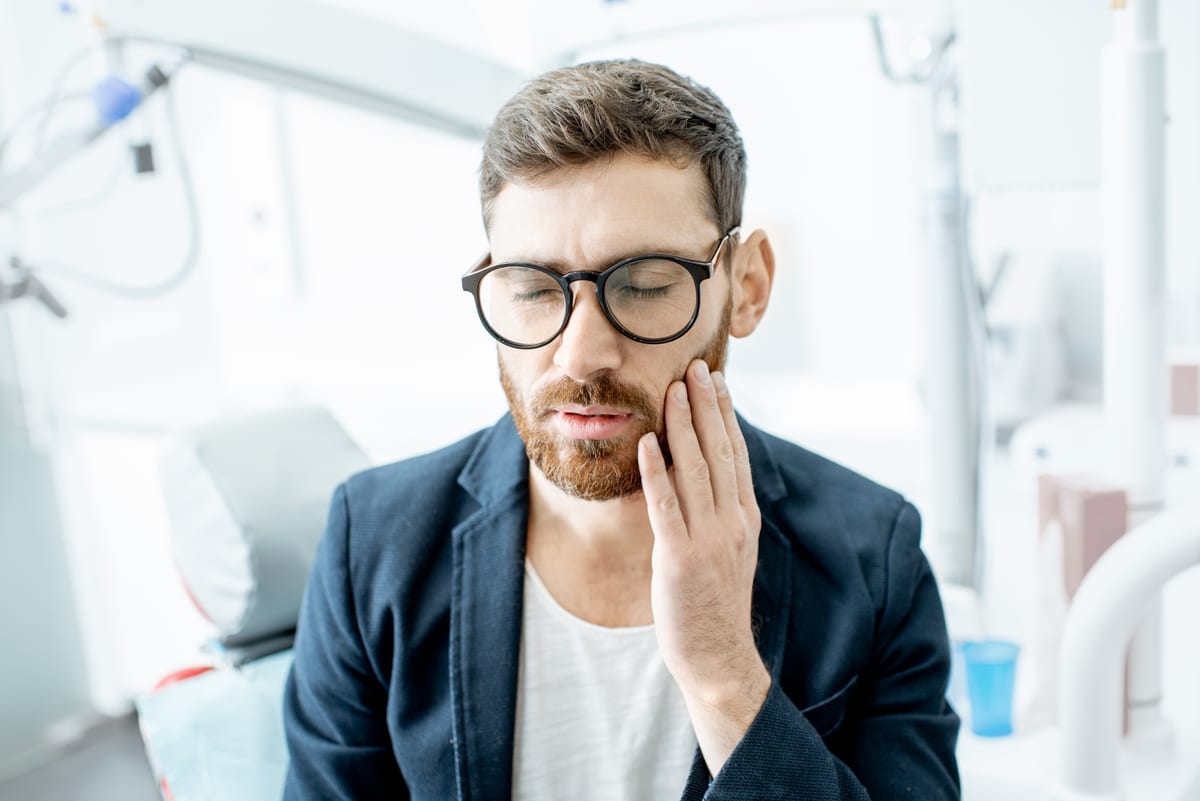
The temporomandibular joint sits directly in front of your ear canal. These two structures share nerve pathways and are separated by only millimeters of tissue. When the joint is irritated, your brain can misread the signals as ear pain. This is called referred pain, and it is incredibly common.
Many Bellevue patients visit their primary care doctor for recurring ear infections. Lab tests come back negative. The ear looks healthy under examination. Yet the pain persists week after week. That is often the moment a dentist enters the picture.
TMJ-related ear symptoms can include:
- A deep, dull ache inside or around the ear
- A feeling of fullness or pressure in the ear
- Muffled hearing or ringing (tinnitus)
- Sensitivity to sound on one or both sides
If any of these sound familiar, your jaw deserves a closer look. A trained dental provider like Dr. Huynh can evaluate your bite and joint function to identify the source.
Headaches, Jaw Clicking, and Other Symptoms You Might Be Ignoring
TMJ disorder rarely shows up as just one symptom. Most patients experience a cluster of connected problems they never think to mention together. A tension headache at the temples, a clicking jaw when you chew, and neck stiffness can all trace back to the same root cause.
Jaw clicking or popping is one of the earliest warning signs. It happens when the soft cartilage disc inside the joint shifts out of position. Some clicking is painless at first. Over time, it can become uncomfortable or even lock the jaw in place.
Headaches from TMJ disorder tend to concentrate around the temples, behind the eyes, or at the base of the skull. They are often mistaken for migraines or tension headaches. Patients take over-the-counter pain relievers for months without addressing the underlying cause.
Other commonly overlooked TMJ symptoms include:
- Neck stiffness or shoulder tension
- Facial soreness, especially in the morning
- Tooth sensitivity without any visible decay
- Difficulty opening your mouth fully
- A tired or tight feeling in the jaw muscles after eating
If you recognize two or more of these, it is worth bringing them up at your next dental visit. Early attention prevents symptoms from becoming chronic and harder to manage.
How Teeth Grinding and Bite Problems Make Things Worse
Bruxism — the clinical term for teeth grinding — is closely linked to TMJ disorder. Many people grind or clench their teeth during sleep without realizing it. The jaw muscles work overtime while the rest of your body rests. The result is significant joint stress and muscle fatigue.
Morning jaw soreness is a telltale sign of nighttime grinding. You might also notice that your teeth look flatter or shorter than they used to. A partner may even tell you they hear grinding sounds while you sleep.
A misaligned bite can add additional strain on the joint. When upper and lower teeth do not meet evenly, the jaw compensates with every chew. That constant compensation wears on the joint over months and years. Addressing bite issues and protecting teeth with a custom night guard can dramatically reduce TMJ symptoms.
Regular Dental Cleanings Exams Bellevue appointments give Dr. Huynh the opportunity to spot early signs of grinding and bite problems before they escalate into painful TMJ flare-ups.
What TMJ Treatment Looks Like at Premier Smiles of Bellevue
The good news is that TMJ disorder is very treatable. Most patients respond well to conservative, non-invasive approaches. Surgery is rarely necessary, especially when treatment begins early.
Dr. Vietnam Huynh starts with a thorough evaluation of your jaw joint, bite, and muscle function. This assessment helps identify the specific triggers behind your symptoms. A personalized treatment plan follows from there.
Common treatment options at Premier Smiles of Bellevue include custom night guards to prevent grinding, bite adjustments to improve jaw alignment, and targeted exercises to relieve muscle tension. For patients with significant dental wear, restorative options such as Dental Implants Bellevue may support a healthier overall bite over time.
Lifestyle guidance also plays a meaningful role. Reducing stress, avoiding hard or chewy foods during flare-ups, and applying warm compresses can all provide real day-to-day relief. Dr. Huynh will walk you through every recommendation in plain language so you feel confident managing your care.
The goal is always to treat the source — not just mask the symptoms. A well-functioning jaw affects your sleep, your comfort, and your quality of life. You deserve to feel better, and a solution is within reach.
When to Make an Appointment in Bellevue
You do not need to wait until the pain becomes unbearable. In fact, earlier intervention almost always leads to faster and more lasting results. If you have been dealing with recurring ear aches, unexplained headaches, or a jaw that clicks and catches, now is the right time to act.
Premier Smiles of Bellevue welcomes patients of all ages. Dr. Huynh and the care team take time to listen and explain. No question is too small, and no symptom is too vague to explore. Many patients leave their first TMJ consultation with a clearer picture of their health than they have had in years.
That ear pain might actually be your jaw sending you a message in Bellevue. Do not ignore it any longer. Book Now to schedule your appointment with our team.
Frequently Asked Questions
Can ear pain really come from my jaw and not my ear?
Yes, absolutely. The temporomandibular joint sits directly next to the ear canal and shares nerve pathways with it. When the joint is inflamed or strained, the brain can interpret those signals as ear pain. This is called referred pain. Many patients spend months treating their ears before a dentist identifies the jaw as the true source.
What does TMJ jaw clicking actually mean?
Jaw clicking or popping usually indicates that the soft cartilage disc inside the joint has shifted slightly out of its normal position. Sometimes clicking is painless and temporary. Other times it signals early joint stress that benefits from treatment. If clicking is accompanied by pain, limited movement, or morning soreness, it is worth having a dentist evaluate your jaw function.
How do I know if my headaches are caused by TMJ disorder?
TMJ headaches typically concentrate at the temples, behind the eyes, or at the base of the skull. They often appear in the morning or after long periods of stress. If your headaches do not respond well to typical pain relievers and you also notice jaw soreness or teeth grinding, TMJ disorder is a likely contributing factor. A dental evaluation can help confirm the connection.
Is TMJ treatment painful or invasive?
Most TMJ treatment is non-invasive and gentle. Common approaches include custom-fitted night guards, bite adjustments, and guided muscle exercises. Dr. Huynh focuses on conservative care first. Surgery is extremely rare and typically only considered after all other options have been explored. Most patients find relief with simple, comfortable interventions.
How soon can I expect relief after starting TMJ treatment?
Many patients notice improvement within the first few weeks of wearing a night guard or making recommended lifestyle adjustments. The timeline varies depending on the severity of the condition and how long symptoms have been present. Catching TMJ disorder early generally leads to faster results. Consistent follow-up with your dental provider helps ensure steady progress.