If you’ve been curious about dental veneers, you’re not alone. Many patients in Bellevue ask about them during routine visits. Understanding dental veneers — what they fix and what they don’t in Bellevue — helps you make a confident, informed decision. This guide breaks it all down in plain language.
What Are Dental Veneers, Exactly?
Dental veneers are thin shells bonded to the front surface of your teeth. They are most commonly made from porcelain or composite resin. Each veneer is custom-shaped to match your natural tooth size and color.
The goal is to improve the appearance of your smile. Veneers cover visible imperfections without removing the entire tooth. Dr. Vietnam Huynh helps patients understand whether veneers are the right fit for their smile goals.
Porcelain veneers are the most popular choice. They resist staining and mimic the light-reflecting quality of natural enamel. Composite veneers cost less but may not last as long.
What Problems Can Dental Veneers Fix in Bellevue?
Veneers are a versatile cosmetic solution. They address a wide range of aesthetic concerns effectively. Here are the most common issues veneers correct:
- Discoloration — Teeth that don’t respond to whitening treatments
- Chips and cracks — Minor damage on the visible tooth surface
- Gaps between teeth — Small spaces that affect your smile’s symmetry
- Mild misalignment — Teeth that appear slightly uneven or overlapping
- Worn enamel — Teeth that look shorter or flatter than normal
- Irregular shape — Teeth that are too small or oddly shaped
Veneers work best on cosmetic issues. They do not treat the underlying structure of the tooth. If your concern is primarily about how your smile looks, veneers may be an excellent option.
Many Bellevue patients combine veneers with Dental Cleanings Exams Bellevue to ensure their mouth is healthy before treatment begins. Starting with a clean, healthy foundation always leads to better results.
What Dental Veneers Cannot Fix
Veneers are powerful cosmetic tools, but they have real limitations. It’s important to understand those limits before committing to treatment. Here’s what veneers are not designed to address:
- Severe tooth decay — Cavities must be treated before veneers are placed
- Significant structural damage — Badly broken teeth may need a crown instead
- Missing teeth — Veneers only work on existing tooth surfaces
- Active gum disease — Gum health must be restored first
- Major bite problems — Serious misalignment requires orthodontic treatment
- Bruxism (teeth grinding) — Grinding can crack or dislodge veneers over time
For missing teeth, a more appropriate solution exists. Dental Implants Bellevue replace the entire tooth root and crown. This is a fundamentally different approach from veneers.
If you grind your teeth, veneers may still be possible. However, Dr. Huynh may recommend a night guard to protect them. Treating the underlying problem always comes first.
The Veneer Process: What to Expect
Getting veneers typically takes two to three appointments. The process is straightforward when your oral health is in good shape. Here’s a general overview of what happens:
- Consultation — Dr. Huynh evaluates your teeth, gums, and bite
- Preparation — A small amount of enamel is removed from the tooth surface
- Impressions — Molds or digital scans are taken to create your custom veneers
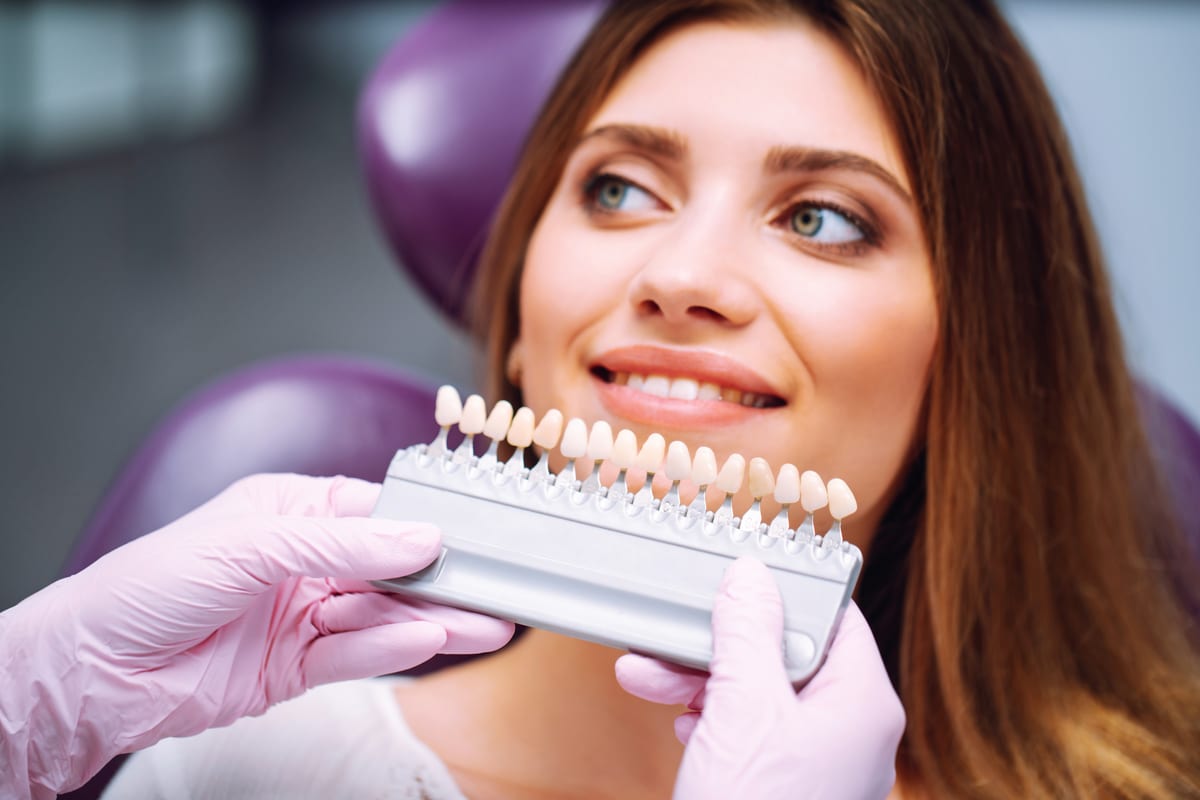
- Temporary veneers — You may wear temporaries while your permanent ones are crafted
- Bonding — The finished veneers are permanently attached with a special adhesive
Most patients find the process comfortable. Local anesthesia is used during the preparation stage. The final result looks and feels natural.
Porcelain veneers typically last 10 to 15 years with proper care. Good oral hygiene and regular checkups help them last longer. Avoiding habits like nail-biting or chewing ice also extends their lifespan.
Are Dental Veneers Right for You?
Veneers work best for patients with healthy teeth and gums. If you have active dental problems, those need treatment first. The best way to find out is through a one-on-one consultation with Dr. Vietnam Huynh.
During your visit, he’ll review your full dental history. He’ll also discuss your smile goals and examine your bite. Together, you’ll determine whether veneers — or another option — makes the most sense.
Some patients in Bellevue are surprised to learn they aren’t good veneer candidates right away. That’s not a dead end — it simply means another treatment comes first. Once your oral health is stable, veneers may absolutely become an option.
Premier Smiles of Bellevue takes an educational, patient-first approach. We never push treatments that don’t serve your long-term dental health. Our goal is always to give you accurate information so you can choose confidently.
Conclusion: Knowledge Is the First Step
Dental veneers explained — what they fix and what they don’t in Bellevue — comes down to one simple truth. They are a powerful cosmetic tool with real boundaries. Knowing both sides helps you set realistic expectations and make smart choices for your smile.
If you’re curious whether veneers are right for you, the next step is easy. Schedule a consultation with Dr. Huynh at Premier Smiles of Bellevue. Book Now to schedule your appointment with our team.
Frequently Asked Questions
Do dental veneers hurt to get?
Most patients experience minimal discomfort during the veneer process. Local anesthesia is used when enamel is being prepared. Some mild sensitivity after the procedure is normal and usually fades within a few days.
How long do porcelain veneers last?
Porcelain veneers typically last between 10 and 15 years. With excellent oral hygiene, regular dental visits, and avoiding damaging habits, they can last even longer. Composite veneers generally have a shorter lifespan of five to seven years.
Can veneers be removed if I change my mind?
Veneers are considered a permanent treatment because a thin layer of enamel is removed during preparation. That enamel cannot grow back. Once placed, the tooth will always need some form of coverage, so it’s important to be certain before moving forward.
Will my veneers look natural?
Yes — modern porcelain veneers are designed to closely mimic the look of natural teeth. They reflect light in a way that blends with surrounding teeth. Dr. Huynh carefully matches the shade and shape to complement your unique smile.
Can I get veneers if I grind my teeth?
Teeth grinding, or bruxism, can damage veneers over time. Dr. Huynh may recommend treating the grinding with a night guard before or alongside veneer placement. Addressing bruxism first helps protect your investment in your smile.