Dental Implants: A Complete Guide to Replacing Missing Teeth
Missing teeth affect more than your smile. They can change how you eat, speak, and feel about yourself. Dental Implants are one of the most effective long-term solutions available today. They look, feel, and function like natural teeth. At Premier Smiles of Bellevue, our dental team believes every patient deserves clear, honest information. This guide explains everything you need to know about implants before making a decision.
What Are Dental Implants?
A dental implant is a small titanium post. It is surgically placed into the jawbone beneath your gum line. This post acts as an artificial tooth root. Over time, the bone fuses with the titanium in a process called osseointegration. Once healed, a crown is attached on top. The result is a replacement tooth that feels completely natural. Implants do not shift or slip like removable dentures. They become a permanent part of your jaw structure.
How Do Dental Implants Work?
The implant process happens in several stages. First, your dental team evaluates your jawbone and overall oral health. If your bone density is sufficient, the titanium post is placed surgically. A healing period of three to six months typically follows. During this time, the implant bonds with the bone. After healing, an abutment is attached to the post. Finally, a custom-made crown is secured on top. Each step is carefully planned to ensure a comfortable and lasting result.
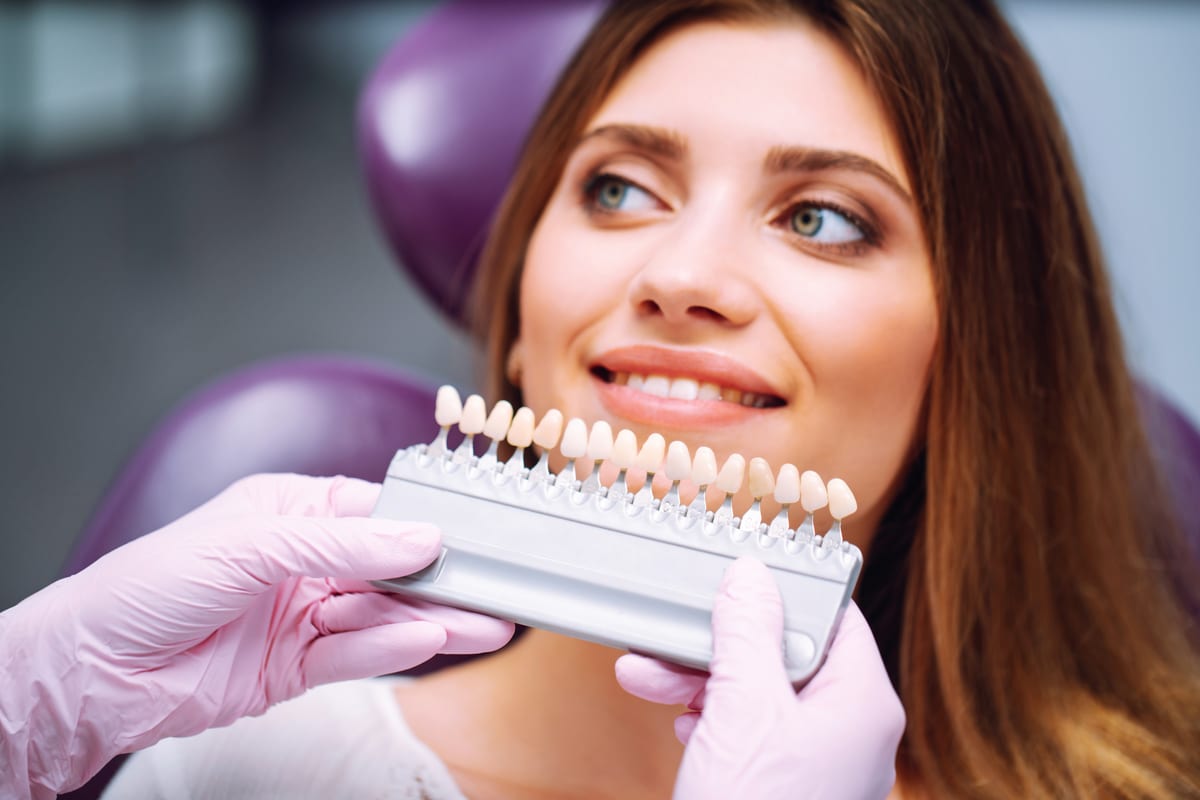
The crown is designed to match your surrounding teeth. Your dental team selects the right shade, shape, and size. This ensures the implant blends seamlessly into your smile. Most patients find the final result is nearly indistinguishable from a natural tooth. The process requires patience, but the outcome is highly rewarding. Many patients describe it as one of the best dental decisions they have ever made.
Who Is a Good Candidate for Dental Implants?
Not everyone is immediately eligible for implants. Ideal candidates have healthy gums and adequate bone density. Adults whose jawbones have fully developed are typically suitable. Certain conditions may require treatment before implant placement. These include gum disease, bone loss, or uncontrolled diabetes. Smoking can also slow the healing process significantly. Your dental team will conduct a thorough evaluation. This helps determine whether implants are the right path for you.
Some patients may need a bone graft before getting implants. This procedure rebuilds bone volume in areas where loss has occurred. Gum disease must also be treated and resolved beforehand. These preparatory steps are important for long-term implant success. Our team at Premier Smiles of Bellevue will guide you through each requirement. We want to ensure you are fully prepared for a successful outcome. Contact us today to schedule your evaluation.
What Are the Benefits of Dental Implants?
Dental implants offer advantages that other tooth replacement options cannot match. They preserve the jawbone by stimulating natural bone growth. This prevents the bone loss that often follows tooth extraction. Implants also maintain the shape of your face over time. Tooth loss can cause facial sagging, but implants help prevent this. They also do not require any alteration to neighboring teeth. Traditional bridges require adjacent teeth to be filed down. Implants stand independently, protecting your healthy teeth.
Beyond structure, implants improve daily function and confidence. You can eat, chew, and speak without restriction. There are no adhesives, clasps, or removable parts to manage. Implants are brushed and flossed just like natural teeth. With proper care, they can last decades or even a lifetime. This long-term durability makes them a smart investment in your oral health. To learn more about our full range of solutions, visit our services page.
How to Care for Your Dental Implants
Caring for implants is straightforward and similar to natural tooth care. Brush twice daily using a soft-bristled toothbrush. Floss once a day, paying attention around the implant base. Use a non-abrasive toothpaste to avoid scratching the crown surface. Avoid chewing on extremely hard items like ice or hard candy. These habits can damage the crown or surrounding teeth. Regular dental visits are also essential for implant longevity. Professional cleanings keep the gum tissue around the implant healthy.
Your dental team will monitor your implant at routine checkups. X-rays may be taken periodically to check the bone around the post. Any early signs of complications can be caught and addressed quickly. Peri-implantitis is a gum condition that can affect implants if hygiene is neglected. Fortunately, it is largely preventable with consistent home care. Staying committed to your oral hygiene routine makes a significant difference. Healthy habits protect your investment for years to come.
Dental Implants vs. Other Tooth Replacement Options
It helps to understand how implants compare to other options. Dentures are removable appliances that replace multiple missing teeth. They are often more affordable upfront but require daily removal and cleaning. They can also slip during eating or speaking. Dental bridges fill gaps using crowns on adjacent teeth. They are fixed in place but do not address bone loss. Implants are the only option that replaces the tooth root itself. This makes them the most complete solution available.
Each option has its place depending on patient needs and goals. Some patients may benefit from implant-supported dentures. These combine the stability of implants with the coverage of full dentures. Our dental team will help you explore which solution fits your situation best. We offer a range of dental services to meet every need. Our goal is always to support your health with accurate, compassionate guidance. Learn more about our philosophy on our about page.
Conclusion
Dental Implants represent one of the most significant advances in modern dentistry. They restore function, appearance, and confidence for patients with missing teeth. The process requires careful planning and a commitment to good oral hygiene. But the results are lasting and life-changing for many people. At Premier Smiles of Bellevue, our dental team is dedicated to patient education. We believe informed patients make better decisions about their care. If you are considering implants, we encourage you to ask questions and explore your options fully.
Frequently Asked Questions
How long do Dental Implants last?
With proper care, dental implants can last 20 years or longer. Many patients keep their implants for a lifetime. The crown on top may need replacement after 10 to 15 years due to normal wear. Maintaining good oral hygiene and attending regular dental visits greatly extends implant lifespan.
Is the dental implant procedure painful?
Most patients report less discomfort than expected. Local anesthesia is used during the procedure to minimize pain. Some soreness and swelling may occur in the days following surgery. This is typically manageable with over-the-counter pain relievers and resolves within a week.
How long does the entire implant process take?
The full process usually takes three to nine months. This includes the surgical placement, healing period, and crown attachment. The timeline varies based on individual healing rates and whether preparatory treatments are needed. Your dental team will provide a personalized estimate during your consultation.
Can Dental Implants fail?
Implant failure is uncommon but can occur. Risk factors include smoking, poor oral hygiene, uncontrolled medical conditions, and insufficient bone density. Signs of potential failure include pain, swelling, or implant movement. Early detection and prompt treatment give the best chance of a successful resolution.
Are Dental Implants suitable for older adults?
Age alone is not a disqualifying factor for dental implants. Many older adults are excellent candidates. The key factors are overall health, gum health, and bone density. A thorough evaluation by your dental team will determine whether implants are appropriate for your specific situation.