
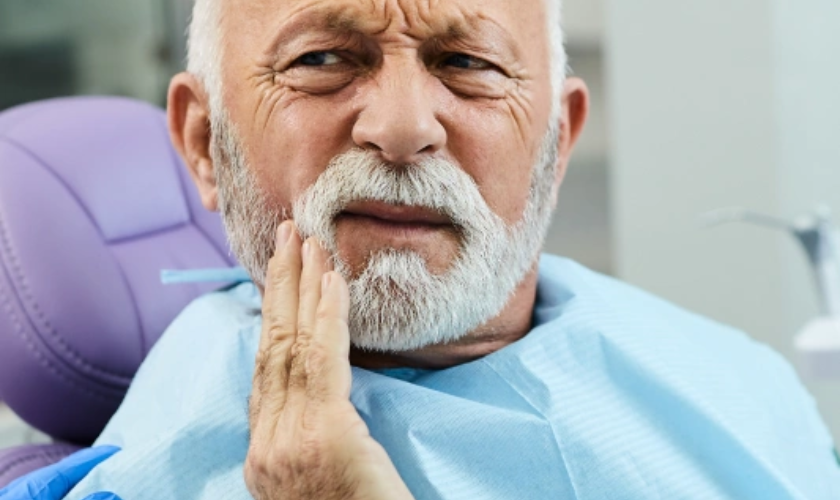
TMJ disorder – short for temporomandibular joint disorder makes life challenging for millions every year. If you’ve ever felt pain in your jaw, face, or neck, or you notice your jaw clicks or pops, you know how much it can get in the way of simple things like eating or talking. The joint connects your jaw to your skull, and when it’s not working right, you feel it. If you’re stuck with jaw pain that just troubles you throughout the day, TMJ disorder might be the reason.
At Premier Smiles of Bellevue, we understand how much this can disorganize your day-to-day life. Let’s break down what TMJ disorder is, why it happens, and how the right treatment can help you feel like yourself.
What’s TMJ Disorder?
TMJ disorder covers a group of problems that stop your jaw from working the way it should. You might notice:
- Jaw pain or tenderness
- Clicking or popping when you open or close your mouth
- Trouble opening your mouth wide
- Headaches or migraines
- Pain in your neck or shoulders
Symptoms like these can be mild or hard enough to ruin your day. Figuring out what’s causing your TMJ disorder is the first step toward feeling better.
What Causes TMJ Disorder?
Several reasons can cause trouble with your jaw joint:
- Jaw injuries: Getting hit in the jaw or head can upset the joint, causing it to become sore or inflamed.
- Teeth grinding or clenching: If you grind your teeth at night or when you’re stressed, you put way too much pressure on the joint, and pain usually follows.
- Arthritis: Conditions like osteoarthritis or rheumatoid arthritis don’t just cause pain in your knees or hands; they can also affect your jaw, too.
- Misaligned jaw or bite: When your teeth don’t line up right, your joint has to work overtime, and that causes trouble.
- Stress: It makes many of us clench our jaws or grind our teeth, which just adds to the problem.
Getting to the bottom of what’s causing your TMJ symptoms is the key to finding the right TMJ treatment. Sometimes it’s as simple as changing a habit; sometimes it takes a little more.
TMJ Treatments in Bellevue
At Premier Smiles of Bellevue, we have a few different ways to help, depending on what’s going on with your jaw:
Custom Night Guards
If you’re grinding your teeth at night, a custom night guard can make a huge difference. It relieves pressure on your joint and protects your teeth from damage.
Physical Therapy
Jaw exercises can loosen up tight muscles and help you move your jaw more easily. We’ll walk you through the best moves for your situation.
Lifestyle Changes
Managing stress through mindfulness, relaxation techniques, or simple self-care tips can help you stop clenching your jaw so much. Swapping tough, chewy foods for softer options also helps.
Medications
Sometimes pain relievers or muscle relaxants are what you need to calm things down, especially if swelling or tension is making things worse.
Surgery (for the complex cases)
Most people won’t need surgery, but if nothing else is working, it’s an option for the most severe cases.
Why Trust Premier Smiles of Bellevue for TMJ Care?
You don’t have to just deal with TMJ pain. At Premier Smiles of Bellevue, we focus on real solutions, not just quick fixes. We’ll figure out what’s going on with your jaw and build a treatment plan just for you. Whether you need a simple night guard or something more extensive, we’re here to help you feel better and get back to living your life – pain-free.
FAQs
- What are the early signs of TMJ disorder?
Early signs include jaw pain, clicking sounds when opening or closing the mouth, and headaches. - How long does it take to recover from TMJ disorder treatment?
Recovery time varies depending on the severity of the disorder and the chosen treatment plan. Most patients experience relief within a few weeks to months. - Can TMJ disorder cause headaches?
Yes, one of the common symptoms of TMJ disorder is frequent headaches or migraines, often caused by muscle tension in the jaw. - Are custom night guards effective for TMJ disorder?
Yes, custom night guards are highly effective in relieving pressure on the TMJ and preventing teeth grinding, which can help reduce pain and discomfort.
Can stress affect my TMJ disorder?
Yes, stress is a common trigger for teeth grinding and jaw clenching, both of which can worsen TMJ symptoms.