
Missing teeth might affect your confidence, appearance, or ability to eat or speak. Dentures are a good alternative to missing teeth, restoring function to your mouth, boosting your smile, and improving the overall quality of your life. Whether you are considering a full or partial one, it is essential to understand the options available to you.
Dentures are a popular option for people in Bellevue, WA, who are looking to restore the function, as well as the confidence, that comes with having a complete set of teeth. The denture process might appear daunting, but with the right information, you can make the right choice. In this guide, we will take you through everything you need to know about artificial teeth, beginning with the types available to you. It is time to learn more about how they can help you smile with confidence once more.
What Are Dentures?
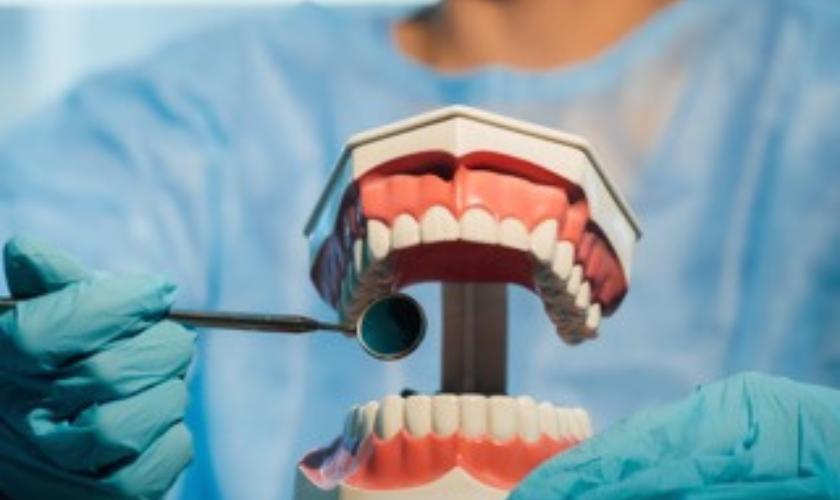
Dentures refer to artificial teeth and gums for people with missing teeth. You can opt for artificial teeth for all your teeth or just a few; it depends on your needs. Some of the varieties of them are as follows:
Full Dentures
Full dentures are required if all teeth are gone. These artificial teeth help replace all the front and/or bottom teeth. These teeth sit directly on the gums. The main goal is to look like your normal teeth.
Partial Dentures
These types of artificial teeth are used when a person still has teeth. In partial ones, spaces where teeth are missing are filled, thus preventing the remaining teeth from moving.
For people seeking not only to improve their appearance but also to enhance their functionality after losing their teeth, dentures in Bellevue, WA, can be a good option.
Types of Dentures
There are several options for artificial teeth that offer slightly different advantages depending on individual requirements and preferences. Being familiar with your choices will enable you to select the one that best suits your lifestyle.
1. Conventional Full Dentures
Full dentures replace all the teeth on the upper or lower jaw. They are placed when the gum-healing process is complete, following tooth extraction, typically several months later. They are very natural and serve to restore the cosmetic and functional aspects of an individual’s mouth.
2. Immediate Full Dentures
Unlike traditional ones, immediate full artificial teeth can be placed directly after tooth extraction. This will act as a temporary fix until your gums recover. After a few months, your dentist may need to adjust or replace them because your gums will change shape.
3. Implant-Supported Dentures
For those who want a more secure dental treatment, implant-supported artificial teeth can provide a more secure fit thanks to their anchorage with dental implants. Dental implants can be easily fitted directly into the jawbone, providing a more permanent fix than traditional ones.
4. Partial Dentures
For people who have some natural teeth left, partial ones are used to fill spaces between natural teeth. Partial ones are made exclusively for your natural teeth and gum tissue, allowing them to blend in seamlessly with your natural teeth.
Why Choose Dentures?
Not having any teeth can hamper your ability to speak effectively and eat properly, and may even affect your confidence. However, artificial teeth are a dependable solution to deal with this kind of situation:
- Enhancing Speech: Gaps in the teeth can make it difficult to say some words. Artificial teeth ensure that you speak clearly. This way, there is no need to be embarrassed about speech.
- Better Eating: Whether it is eating your favorite foods or chewing without pain, artificial teeth can give you the confidence to eat.
- Restored Smile: They help fill the spaces left by missing teeth, allowing you to smile freely and enhance your facial appearance.
- Promotes Oral Hygiene: They can prevent movement of your gums and teeth, thereby helping maintain oral health.
The Dentures Process
Getting artificial teeth is not a process that happens quickly or requires mere visits to the dentists’ or prosthodontists’ offices; rather, the following are involved:
- Consultation and Evaluation: The initial process requires the evaluation of your mouth. Your dentist will examine your oral health and perform X-rays to determine the most suitable artificial tooth for you.
- Impressions and Molds: After you and your dentist have determined which type of denture you should get, you create a mold of your mouth. This mold helps ensure your denture fits well and looks natural.
- Fitting and Adjustments: Once the artificial teeth have been made, they will be fitted in your mouth for a trial. Your dentist will then be able to make adjustments as needed to ensure a comfortable fit.
Follow-Up Care
After the artificial teeth are fitted, you can expect follow-up care to ensure you are adjusted to them comfortably. Taking good care of your artificial teeth is very important for their longevity. You can keep them in good condition by following these procedures:
- Clean Them Regularly: Always rinse them with water after every meal to remove food particles. Clean dentures with denture brushes and denture paste.
- Soak Them Overnight: After removing your replacement teeth, soak them in denture solution or warm water to prevent them from drying out.
- Avoid Hot Water: Hot water should never be used to clean the artificial teeth. This may cause the denture to warp.
- Visit Your Dentist: You should visit your dentist to ensure your artificial teeth still fit properly and to address any issues that may arise.
Restore Your Beautiful Smile
Dentures make an excellent solution for people with tooth loss to restore function and appearance. Whether you have faced tooth loss and have some or all of your teeth missing, artificial teeth will restore your confidence to smile, eat, and speak freely.
If you are considering artificial teeth, contact us at Premier Smiles of Bellevue to determine the best course of action for you. If you are ready to revitalize your smile and regain the confidence to eat, speak, or laugh freely, schedule an appointment with us today! With the right attention and care, you can see the difference artificial teeth can make in the quality of your life.
FAQs
1. How long do dentures last?
Dentures typically last between 5 to 10 years with proper care. However, they may need to be relined or replaced over time due to wear and changes in your mouth.
2. Will dentures affect my speech?
It is normal to feel some difficulty speaking with dentures at first. Most people adjust after a few weeks of practice, and your speech should return to normal.
3. Can dentures break?
Yes, dentures can break if they are dropped or exposed to excessive pressure. If this happens, avoid trying to fix them yourself and bring them to your dentist for repairs.
4. How should I care for my dentures?
Care for your dentures by cleaning them regularly with a soft-bristle brush, soaking them overnight in a denture solution, and visiting your dentist for check-ups.
5. Are there alternatives to dentures?
If dentures are not the right option for you, dental implants or bridges may be suitable alternatives. Consult with your dentist to discuss the best solution for your needs.