
Cleaning your teeth is a part of oral hygiene that goes far beyond just keeping your smile bright and attractive. It’s an important process that not only maintains your oral hygiene but also helps remove plaque that can lead to cavities, dental issues, and gum disease. If it’s been a few months or years since you last had a dental checkup, here’s what to expect when you head for that much-needed tooth cleaning.
A dental cleaning is more than a simple polishing; it is a necessary process for maintaining overall good health. In connection with regular maintenance and good health, it helps detect potential problems early, such as tooth cavities, gum disease, and even oral cancer. Knowing what is happening during a cleaning process can help you relax and feel more comfortable. In this blog, you will learn about the cleaning process, its advantages, and the aftercare guide.
The Dental Cleaning Procedure
During a dental office visit for teeth cleaning, you can expect your procedure to involve a series of steps. These steps should begin with an examination, followed by plaque and tartar removal, brushing and flossing, polishing, and, finally, a fluoride application.
A breakdown of the process of dental cleanings in Bellevue, WA, is given below:
Initial Examination
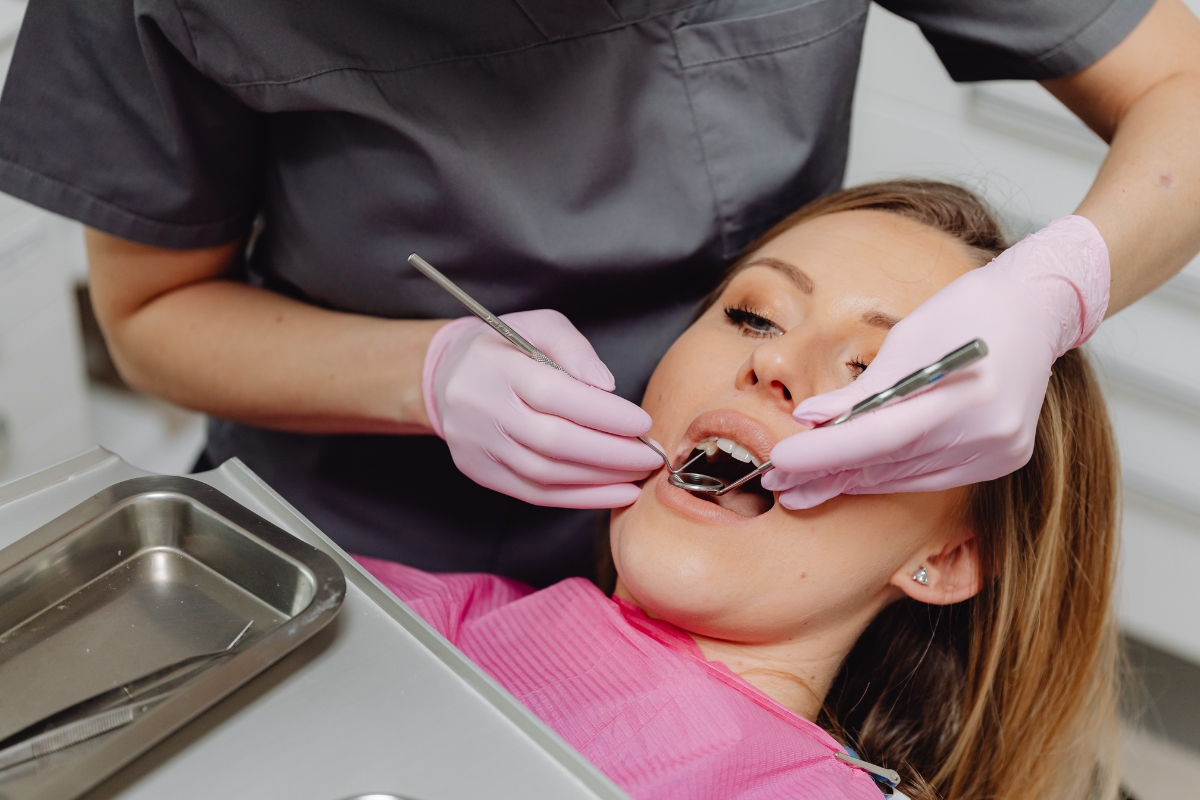
The first thing that your dentist or hygienist will do is perform a complete examination of your teeth and gums. This examination will enable them to detect signs of gum disease, cavities, and other problems. In some cases, they may need to take x-rays of your teeth to assess their condition below the surface before cleaning them.
Removing Plaque and Tartar
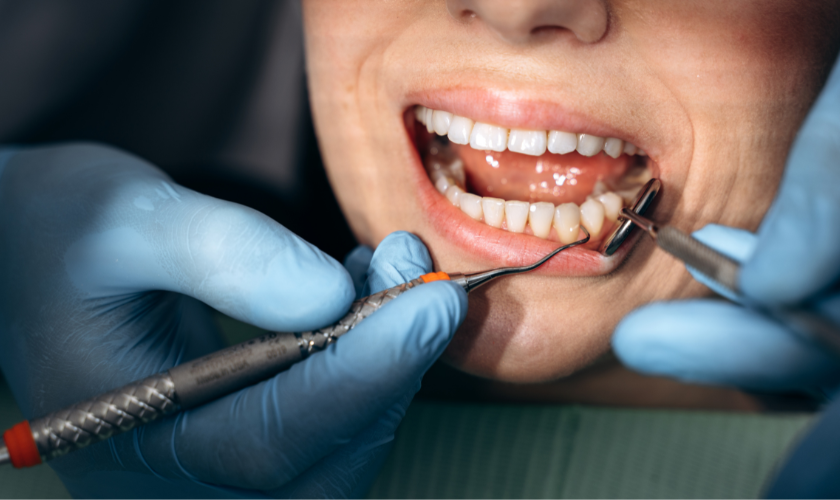
The next step is to remove any buildup of tartar or plaque. Plaque is a bacterial residue that forms on your teeth. Tartar forms gradually as plaque builds up. Tartar can only be removed by a professional with an instrument, unlike plaque. The dentist uses a scaler to remove any tartar that has formed below your gumline.
Brushing and Flossing
Once the plaque and tartar are removed, your dentist will brush your teeth with a slightly abrasive paste. This helps to remove any remaining plaque or staining on the teeth. Finally, your dentist or hygienist will floss between your teeth to ensure no food residue remains, particularly in hard-to-clean areas.
Rinsing and Polishing
After you brush and floss, rinse with a special mouthwash to remove any remaining debris. Following this, your dentist will polish your teeth with a special instrument, giving them a smooth, shiny appearance. This will also ensure that your teeth are free from stains.
Fluoride Treatment
The last part of the dental cleaning procedure is the fluoride treatment. Fluoride helps protect your teeth by increasing their resistance to cavities. The dentist can apply this material as a gel or foam, which you hold in your mouth for a minute or two to coat your teeth.
Benefits of Regular Dental Cleanings
In addition to making your smile look cleaner, routine dental cleanings serve several important purposes that affect not only your oral health but also your overall wellness. When you incorporate routine tooth cleanings as part of your personal healthcare regimen, you will be able to prevent many different types of dental problems before they become serious. There are various important uses associated with routine tooth cleanings. Here are a few:
- Helps Prevent Cavity Formation: Regular cleanings remove plaque and bacteria that could lead to cavities, keeping your teeth strong and healthy.
- Prevents Gum Disease: Removal of tartar deposits during the cleaning process helps prevent gum disease, which, if untreated, can result in tooth loss and other health problems.
- Early Detection of Health Issues: Cleanings give your dentist a chance to identify potential oral cancer and other health concerns in their early stages.
- Enhances Overall Health: Good oral hygiene practices have been shown to positively impact health, including heart health, diabetes control, and various conditions. Having healthy gums and teeth is part of your overall health.
Regular dentist visits are not only routine, but they’re also an investment you make in your life.
What to Do After Your Cleaning?
After your dental cleaning, it’s essential that you follow these simple practices in order to maintain your healthy smile. By incorporating these steps into your routine, you can prolong the benefits of your dental cleaning and keep your teeth and mouth plaque-free and looking their best. Here are the ways you can do that:
- Continue Brushing and Flossing: Brush your teeth at least two times daily and floss daily to keep your teeth clean and promote excellent oral health.
- Avoid Sugary Foods: Reduce consumption of sweet foods and beverages, as they can lead to dental plaque and cavities.
- Drink Water: Drinking adequate amounts of water can help remove food particles and bacteria from the teeth, keeping them clean and fresh between appointments.
Take Care of Your Smile
Regular oral cleaning is important for maintaining healthy teeth and gums. Beyond the benefits of preventing tooth decay and gum disease, professional dental cleaning is important for maintaining good health. There are germs on the teeth, and eliminating them can be important for maintaining good oral health and preventing potential problems that could be detrimental to health.
At Premier Smiles of Bellevue, we are committed to providing comprehensive and delicate cleaning procedures to maintain your oral health at its best. Give us a call today to schedule your next appointment. Regular dental check-ups will help you avoid undergoing big procedures in the future and will also help you maintain a confident smile.
FAQs
1. How often should I get a dental cleaning?
Most people should get a dental cleaning every six months, but if you have specific dental concerns, your dentist may recommend more frequent cleanings.
2. Is dental cleaning painful?
Dental cleanings are usually painless, but if you have sensitive gums or heavy tartar buildup, you might feel some discomfort. Let your dentist know if you’re feeling anxious, and they can make adjustments.
3. What if I haven’t had a cleaning in a while?
If it’s been a while since your last cleaning, the dentist may need to perform a more thorough cleaning. It’s important to get back on track to prevent issues like gum disease.
4. Can a dental cleaning help with bad breath?
Yes, regular cleanings remove the bacteria that can contribute to bad breath, helping to keep your mouth fresh.
5. What should I do if my gums are bleeding after a cleaning?
Some bleeding after a cleaning is normal, especially if you have gum inflammation. However, if bleeding continues, it could be a sign of gum disease, so it’s worth consulting with your dentist.
6. Are fluoride treatments really necessary?
Fluoride helps protect your teeth from cavities, especially if you are prone to tooth decay. It’s a simple and effective treatment that strengthens your teeth and reduces the risk of cavities.