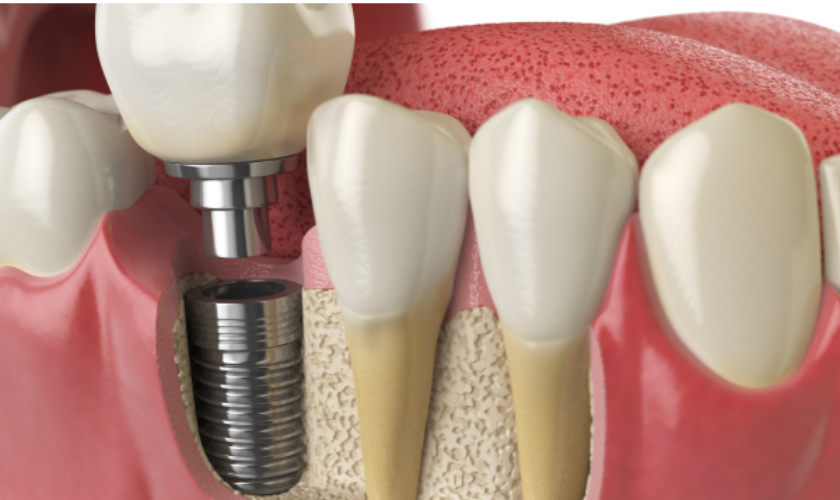

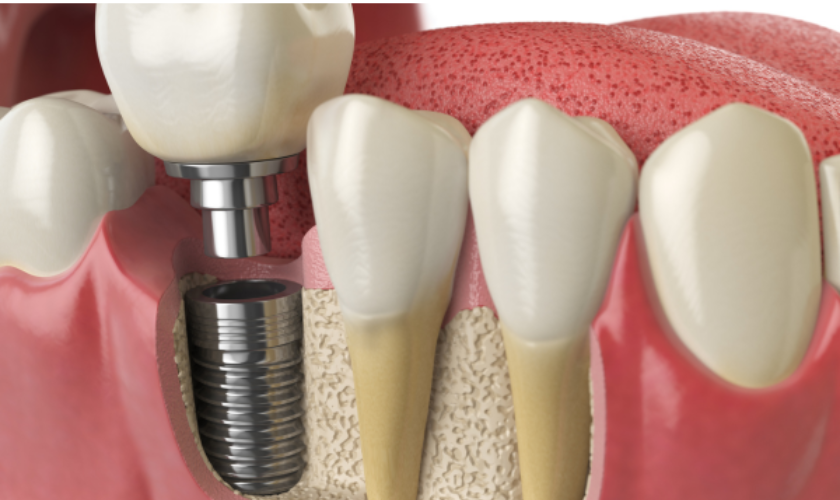
Getting dental implants isn’t just about filling a gap in your smile—it’s about building a solid foundation that’ll last. Here’s the thing: your jawbone needs to be strong and thick enough to hold the implant in place. If you’ve lost bone because of gum disease, missing teeth, or just the normal process of aging, you’ll probably need a bone graft before you get an implant.
What’s a bone graft?
It’s a minor surgery where your dentist adds a bit of bone, sometimes from your own body, sometimes from a donor, or even a synthetic material, right where your jaw needs it. The goal is simple: give your jaw the support it needs. Over time, your body fuses this new bone in, creating a sturdy base for your new tooth.
If you’re thinking about dental implants, knowing about bone grafts is a big deal. Lots of people who’ve been missing teeth for a while need them, because when a tooth is lost, the bone underneath starts to fade away. Without enough bone, implants just won’t hold up.
Why Do You Need a Bone Graft?
Your dental implant depends on having healthy bone to anchor it. Not enough bone, and you risk the implant loosening or becoming infected. Here’s what bone grafts bring to the table:
1. They bring back lost bone. When a tooth’s gone, the bone underneath shrinks. A graft adds new material, bringing back the strength you need for an implant.
2. They help in tricky spots. Some parts of your mouth just don’t have enough bone for an implant—grafts can fix that, making sure your implant has the support it needs.
3. They stop future bone loss. Once the graft has assimilated, it helps prevent further wear and tear on your jawbone.
4. They help your smile look natural. A well-done graft means your implant sits right and blends in, so your smile looks just like it should.
The Bone Grafting Process
First, you’ll sit down with your dentist. They’ll check out your jaw with X-rays or 3D scans and figure out if you need a graft, plus what kind of graft works best for you. During the surgery, they’ll make a small incision in your gum, place the graft, and maybe cover it with a membrane to help it heal. After that, you’ll need a few months for the new bone to fuse with your jaw. Once everything’s in its fine shape, the dentist can place your implant. Sometimes, they’ll even do the graft and implant at the same time, but not always – it depends on your situation.
Who needs a bone graft?
Not everyone. But if you’ve had missing teeth for a while, suffered from gum disease, naturally have thin bone, or had an injury to your jaw, you’re a potential candidate.
There are some big perks to getting a bone graft before a dental implant:
- Your chances of a successful implant go way up with a strong foundation.
- You’re less likely to run into future bone problems.
- Your implant will work like a real tooth during chewing and biting.
Bone grafts are often the secret to making dental implants work, especially if you’ve lost some bone over the years. They give your new tooth the support it needs, so you can chew, smile, and live with confidence. If you’re thinking about dental implants, talk to our dentist at Premier Smiles of Bellevue about bone grafts to figure out the best way to get a healthy, natural smile.
FAQs
1. What is the recovery time for bone grafts?
The recovery time for bone grafts varies, but it takes 3 to 6 months for the graft to fully integrate with your jawbone before the implant can be placed.
2. Can I get dental implants without a bone graft?
In some cases, it’s possible to receive dental implants without a bone graft, but it depends on the condition of your jawbone. Your dentist will assess whether a graft is necessary.
3. Are bone grafts painful?
Bone grafting is a surgical procedure, but most patients report minimal discomfort afterward. Your dentist will provide you with pain management options to ensure your comfort.
4. How long will my dental implants last after a bone graft?
With proper care, dental implants can last a lifetime, especially when supported by a healthy bone graft. Regular dental checkups will ensure that your implant stays strong.