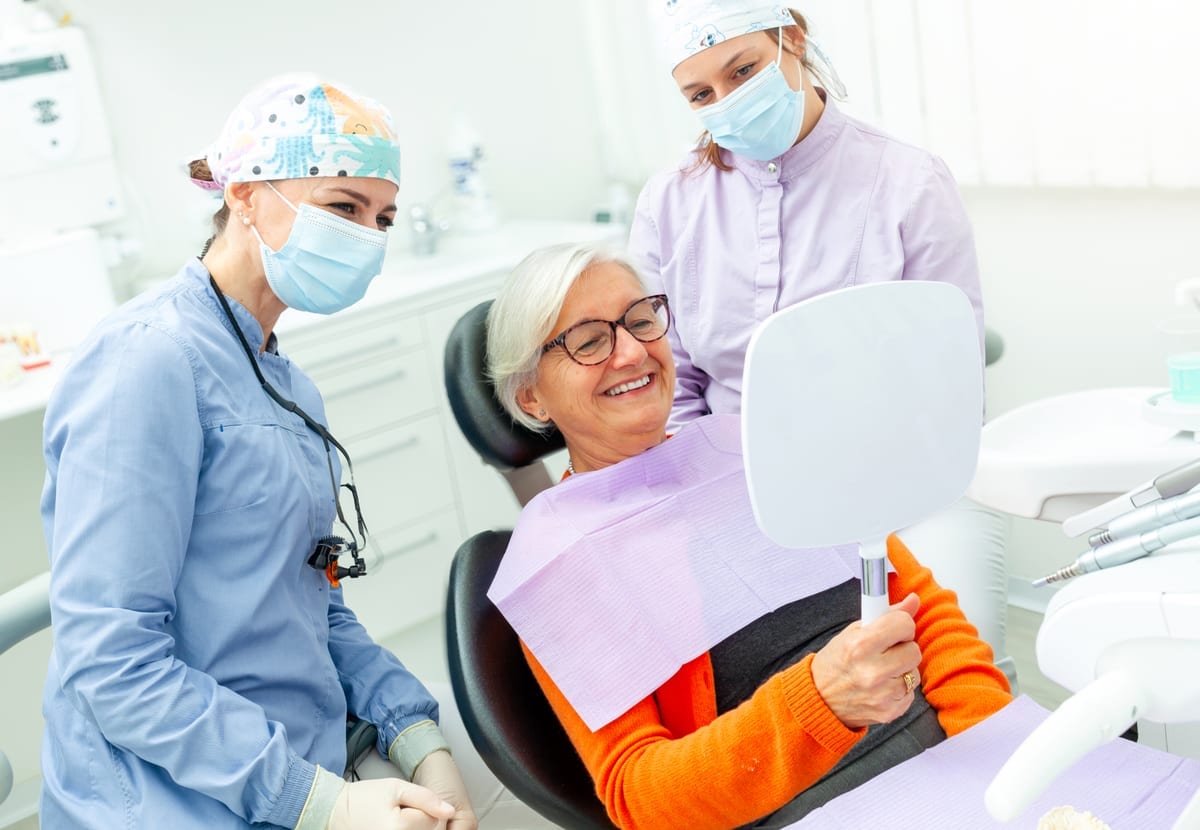


If you are over 60 and live in Wilburton, your smile faces some very real challenges. Understanding why dry mouth and root decay become bigger after 60 in Wilburton helps you protect your teeth before problems worsen. Many seniors do not realize how dramatically oral health can shift after 60. Dr. Vietnam Huynh and the team at Premier Smiles of Bellevue are here to guide you through every change.
Aging brings new medications, shifting gum lines, and increased vulnerability to decay. These changes are not inevitable damage — they are manageable with the right dental support. This article explains what happens to your mouth after 60 and how to stay ahead of it.
How Dry Mouth Affects Wilburton Seniors After 60
Dry mouth, or xerostomia, is one of the most common issues seniors face. It occurs when salivary glands do not produce enough saliva. Many seniors in Wilburton take multiple medications daily, and dry mouth is a frequent side effect.
Saliva does more than keep your mouth comfortable. It neutralizes acids, washes away bacteria, and protects enamel. Without it, decay spreads quickly and gum disease becomes harder to control.
Common medications that cause dry mouth include:
- Blood pressure medications
- Antidepressants and anxiety medications
- Antihistamines and allergy treatments
- Diuretics and heart medications
- Bladder control medications
If you take any of these, mention it at your next dental visit. Dr. Huynh can recommend strategies to protect your teeth and relieve discomfort caused by medication-related dryness.
Why Root Decay Becomes a Bigger Risk After 60
Understanding why dry mouth and root decay become bigger after 60 in Wilburton means looking at gum recession. As you age, gums naturally pull back from the teeth. This exposes the root surfaces, which lack enamel protection.
Root surfaces are softer than the crown of the tooth. They decay faster and at lower acid levels. Combined with dry mouth, this creates the perfect environment for rapid root decay.
Root decay can be painless in early stages. Many patients do not notice it until a cavity has grown significantly. That is why regular dental cleanings and exams are essential for seniors.
Warning signs of root decay include:
- Tooth sensitivity to hot, cold, or sweets
- Dark spots near the gumline
- Rough or soft textures on root surfaces
- Persistent bad breath despite good hygiene
Catching root decay early saves the tooth. Waiting often means more complex treatment or even tooth loss. Seniors in Wilburton should schedule cleanings at least twice a year, or more frequently if decay risk is high.
Gum Recession, Scaling, and Protecting Senior Smiles in Wilburton
Gum recession is not just an aesthetic concern. It exposes roots, creates pockets for bacteria, and raises your risk for serious gum disease. Left untreated, gum disease progresses quickly in seniors with dry mouth.
Scaling and root planing is a deep-cleaning treatment that removes tartar from below the gumline. It smooths root surfaces so bacteria cannot reattach easily. This treatment is often the first step in stopping gum disease from advancing.
Many Wilburton seniors qualify for this procedure when standard cleanings are no longer enough. Dr. Huynh assesses your gum health at every visit and recommends scaling and root planing when appropriate. Early intervention protects the bone that holds your teeth in place.
Fluoride treatments also play a key role in senior dental care. They strengthen exposed root surfaces and slow the decay process. Combined with good home care, fluoride can significantly reduce your cavity risk.
Dentures, Implants, and TMJ Considerations for Seniors
Tooth loss becomes more common after 60, especially when root decay and gum disease go untreated. Many Wilburton seniors eventually explore dentures or dental implants as replacement options. Both are valid solutions, but they require different levels of bone health and commitment.
Dental implants need sufficient jawbone density to succeed. Seniors who have experienced long-term tooth loss may have less bone available. Dr. Huynh evaluates your candidacy carefully before recommending any restorative path.
Night guards and mouth guards also become important for senior patients. Decades of clenching and grinding wear down enamel and worsen gum recession. A custom night guard from Premier Smiles of Bellevue protects your remaining teeth during sleep.
TMJ issues are also common in older adults. Jaw pain, clicking, and limited opening can interfere with eating and quality of life. TMJ treatment at our practice focuses on relieving muscle tension and protecting joint health without invasive procedures.
What Wilburton Seniors Can Do Right Now to Protect Their Smiles
Prevention remains the most powerful tool available to seniors. A consistent daily routine paired with professional dental care makes a significant difference. Here are practical steps every senior in Wilburton should follow:
- Brush twice daily with a soft-bristled toothbrush
- Use fluoride toothpaste to protect exposed roots
- Drink water frequently to combat dry mouth symptoms
- Avoid alcohol-based mouthwashes that worsen dryness
- Chew sugar-free gum to stimulate saliva production
- Schedule dental cleanings at least twice per year
Our team works with patients who accept United Healthcare Dentist plans to help make care more accessible. We also welcome patients who use Ameritas Dental Dentist benefits for routine and restorative visits.
Light sedation is available for seniors who feel anxious about dental procedures. Anxiety is common among older patients, especially those who have avoided the dentist for years. We want every Wilburton patient to feel safe and comfortable in our chair.
Frequently Asked Questions
Why does dry mouth get worse after age 60?
Most seniors take multiple prescription medications, and dry mouth is a common side effect of many of them. Hormonal changes and reduced salivary gland function also contribute. Together, these factors significantly reduce saliva production, which raises decay and gum disease risk.
Can root decay be treated without losing the tooth?
Yes, in many cases root decay can be treated with fillings, dental bonding, or other restorative techniques if caught early. Regular dental exams allow Dr. Huynh to detect decay at its earliest stage. Waiting too long may require extraction, so early treatment is critical.
How often should seniors over 60 visit the dentist?
Most seniors benefit from dental visits every three to four months rather than every six. This is especially true if you have dry mouth, gum recession, or a history of frequent cavities. More frequent cleanings help catch problems before they escalate.
Are dental implants a good option for older adults in Wilburton?
Dental implants can be an excellent option for seniors who have adequate bone density and good overall health. Age alone does not disqualify someone from implants. Dr. Huynh conducts a thorough evaluation to determine whether implants are a safe and effective choice for each patient.
What can I do at home to relieve dry mouth symptoms?
Drinking water throughout the day is one of the most effective ways to manage dry mouth. Using a humidifier at night, chewing sugar-free gum, and avoiding caffeine can also help. Ask Dr. Huynh about prescription-strength dry mouth rinses for more severe cases.
Taking care of your smile after 60 does not have to feel overwhelming. Premier Smiles of Bellevue is here to support Wilburton seniors every step of the way. Book Now to schedule your appointment with our team.